
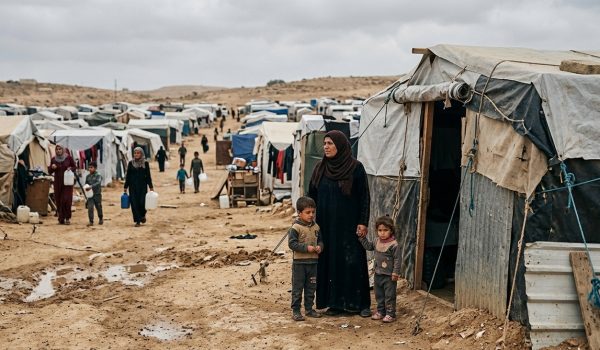
Displacement camps in Palestine face a complex intersection of fragility and resilience. The people who live there already carry the heavy weight of forced displacement, loss, and ongoing protection concerns. Add the pressures of a warming world, and the everyday realities of camp life become more precarious. Heat waves, floods, water scarcity, and storm damage do not just threaten comfort and routine; they threaten health, safety, and hopeful futures. This article walks through how climate change creates new challenges in displacement camps, why these challenges matter for justice and rights, and what researchers, advocates and community members can do to respond with care, strategy and solidarity.
Understanding the Climate Challenge in Displacement Camps
Climate change is not a distant problem for people in displacement camps. It acts as a force multiplier, intensifying existing risks and exposing gaps in protection, services and governance. In Palestine, where displacement and encampment are part of the lived experience for many families, climate pressures arrive as a set of compact emergencies that overlap with shelter crowding, limited infrastructure and restricted access to utilities.
Key drivers and manifestations include:
– Heat and thermal stress: prolonged high temperatures strain shelters, healthcare systems, and workers who maintain water, sanitation and food services.
– Flooding and waterlogging: heavy rains or storm surges can overwhelm inadequate drainage and damage makeshift housing.
– Water scarcity and quality: drought cycles reduce available water, raise costs and threaten hygiene and disease prevention.
– Food security and supply volatility: disruptions to markets and farming livelihoods can reduce nutritious meals in camps.
– Infrastructure wear and tear: tents, corrugated roofs, and shared facilities degrade faster under extreme weather, increasing maintenance burdens.
– Health system pressure: climate related illness, heat exhaustion, dehydration and disease transmission risk rise when services are overstretched or inaccessible.
– Mental health strain: uncertainty about the climate and its effects compounds trauma and stress in households already coping with displacement.
In short, climate change does not create new problems alone; it magnifies what is already fragile in camp settings.
Health Impacts and Daily Life Under Climatic Stress
Health is the backbone of any community, and climate related stressors tighten that backbone in multiple ways. The day to day rhythms of life in displacement camps are highly sensitive to weather.
- Heat related illness: children and older adults are especially vulnerable to heat exhaustion and dehydration.
- Waterborne and vector borne diseases: warmer temperatures can support the spread of diarrheal diseases and pests if water and sanitation practices weaken.
- Malnutrition risk: irregular food supply or reduced access to fresh produce can worsen malnutrition risks among families relying on humanitarian aid.
- Psychological distress: heat waves and climate shocks disrupt sleep, productivity and social ties, fueling anxiety and depression.
- Healthcare access and pathway disruption: extreme weather can hinder clinic operations, transport to facilities and timely care.
To mitigate these risks, communities benefit from proactive planning, including cooling spaces, shaded outdoor areas, reliable water distribution, and clear communication channels for health alerts.
Water, Sanitation and Hygiene in a Warming World
Water, sanitation and hygiene WASH conditions are a frontline concern in climate vulnerable camps. When water sources are stretched and facilities are stressed, hygiene practices can falter, increasing health risks for everyone.
Strategies that support WASH resilience include:
– Diversified water sources: combining rainwater harvesting, protected groundwater and reliable trucking options to prevent single points of failure.
– Efficient water use: leak detection, low flow fixtures and household level water management to stretch limited supplies.
– Sanitation design that tolerates weather: elevated latrines in flood prone zones, robust drainage and safe waste management to minimize contamination risks.
– Hygiene promotion: culturally appropriate messaging and accessible supplies to sustain hygiene practices even during shortages.
Food security intersects with WASH as well. In many camps, rely on food aid and local markets, and climate shocks can disrupt both supply and access. Community kitchens and nutrition education can help families maximize the limited resources they have while protecting the most vulnerable.
Housing and Shelter in a Changing Climate
Shelter is more than a roof; it is a shield against the elements and a space for families to rest, learn and connect. In displacement camps, shelter materials and layout were often chosen for speed and cost rather than climate resilience. As weather becomes more extreme, the need for durable, adaptable shelter grows.
Key considerations include:
– Material durability: choosing weather resistant fabrics, sealants and frame components that withstand heat, rain, and wind.
– Ventilation and shading: designs that promote airflow while offering sun protection reduce indoor heat and improve safety.
– Elevation and drainage: ensuring structures sit above flood plains and that surrounding ground drains well prevents water intrusion.
– Flexible spaces: modular, multi use spaces that can be reconfigured for cooling rooms, clinics, or education shelters as seasons shift.
– Maintenance and local capacity: building the skills and supply chains for ongoing shelter upkeep to reduce long term risk.
Community input is essential here. When residents help design or select shelter improvements, solutions align with daily routines, religious practices and cultural norms, making adoption more likely and impactful.
Rights, Policy and the Global Conversation
One of the most important pieces of the climate displacement puzzle is the policy and rights framework that governs protection, access to asylum, and the ability to pursue safety and dignified livelihoods. The term climate refugees surfaces frequently in discussions about climate induced displacement, but it is a contested label in law and policy.
- The label discussion: climate refugees is common in media and advocacy, yet international law maintains that refugee status is tied to persecution based on specific grounds. People displaced by climate disasters may fall outside traditional refugee protection, creating gaps in rights and access to assistance.
- Legal gaps: many countries do not have universal protections for people displaced by climate risks, leading to inconsistent treatment, restricted movement, and limited eligibility for social services.
- Protection and dignity: regardless of legal labeling, the basic rights to shelter, water, health care, and non discrimination apply. Advocates push for policy reforms that recognize climate related displacement as a protection concern and provide pathways to safety and resilience.
- Regional and local governance: local authorities in Palestine and neighboring contexts play a pivotal role in coordinating relief, infrastructure improvements, and long term adaptation plans that reduce vulnerability.
In this landscape, researchers and advocates can catalyze change by translating climate risk into practical policy recommendations, elevating voices from camps, and linking climate justice with human rights and social protection frameworks.
Adapting and Building Resilience in Camps
Adaptation is not a luxury; it is a necessity for safety and dignity. Resilience in displacement camps means reducing vulnerability, improving access and building capacity from within the community. Here are practical approaches that can make a difference.
- Early warning and risk communication: establish simple, trusted channels to alert residents about heat waves, storms or water outages, with guidance on protective actions.
- Use of renewable energy: solar powered lighting, charging stations and energy efficient appliances reduce reliance on unreliable grids and support nighttime safety.
- Water resilience initiatives: rainwater harvesting, water purification sachets and community management of shared taps improve reliability.
- Green spaces: shade trees and small parks reduce heat burden, support mental health and offer gathering spaces.
- Local fabrication and maintenance: training youth and women in basic construction, repair and maintenance empowers communities to sustain improvements.
- Food and nutrition programs: flexible, locally informed food distribution and nutrition education help communities adapt to changing food availability.
These strategies do not replace humanitarian aid; they complement it by increasing local capacity and reducing climate related risk.
The Role of Community Voice and Cultural Expression
PalestineWorks.org emphasizes community engagement and justice in its work. Climate challenges in displacement camps can be addressed more effectively when residents, youth and elders contribute to the design and implementation of solutions.
- Youth leadership and mentorship: young people can spearhead climate action campaigns, deploy educational programs and support peer networks that reinforce resilience.
- Cultural expression as resilience: calligraphy, art and public murals can serve as tools for awareness, memory and healing. Artistic spaces can also anchor climate education in culturally meaningful ways.
- Sports and unity: organized sports programs offer healthy outlets, teamwork and social cohesion that strengthen collective responses to climate shocks.
- Local knowledge and traditional practices: incorporating traditional water preservation, farming practices and shelter methods can align modern solutions with community norms.
Through a bottom up approach, climate resilience becomes a shared project rather than a top down imposition.
Case Examples from the Region
While each camp and community has its own unique context, several regional patterns illuminate how climate challenges emerge in displacement settings and how communities respond.
- Gaza and coastal communities: heat waves combine with crowded shelters and limited electricity to create intense heat stress. Neighborhood shade structures, solar energy deployment, and improved water management have shown promise in reducing risk and improving daily comfort.
- The West Bank and refugee settlements: water scarcity compounds with pressure on sanitation facilities. Community led water distribution plans and rainwater harvesting can alleviate some pressures while improving hygiene practices.
- Neighboring contexts in the region: cross border collaboration brings shared learning about drought management, flood risk reduction and climate informed planning for shelters and services.
These case examples highlight the importance of co designing climate resilience with residents, local organizations and researchers. They also underscore the need for sustained funding and policy attention to ensure long term adaptation.
How Researchers, Advocates and Communities Can Act
The work of addressing climate challenges in displacement camps is not the job of one actor alone. It requires a multi stakeholder approach that integrates research, advocacy and community organizing.
Actions for researchers:
– Conduct participatory assessments with camp residents to identify climate risks and priorities.
– Translate climate data into practical guidance for shelter construction, water management and health services.
– Produce policy briefs that connect climate resilience with protection, rights and humanitarian funding streams.
Actions for advocates:
– Center the voices of those with lived experience in climate displacement discussions.
– Build coalitions across sectors to push for climate justice and protection reforms.
– Highlight how climate resilience aligns with broader goals such as education, health and economic opportunity.
Actions for community members:
– Lead neighborhood level adaptation projects like shade planting and water management groups.
– Mentor younger residents in science, technology, engineering and math applied to local climate challenges.
– Create cultural programs that blend climate education with art, literature and language preservation.
Together, these actions create a robust ecosystem where research informs policy, advocacy drives funding, and communities implement tangible resilience measures.
The Path Forward: Justice, Research and Action
Climate challenges in displacement camps are not a single issue; they intersect with rights, health, dignity and future possibilities. A future that prioritizes climate justice in Palestine and across displacement contexts must include:
- Recognition of climate risk as a protection issue within humanitarian policy.
- Investment in resilient, sustainable infrastructure within camps.
- Strengthened local governance that supports adaptation planning with community consent and leadership.
- Continuous learning that links climate science with practical, culturally appropriate solutions.
- A focus on youth and mentorship to steward long term resilience and community cohesion.
At PalestineWorks.org we believe justice for Palestine includes addressing environmental injustice and climate vulnerability as a core component of community well being. By combining rigorous research, accessible information and active community engagement, we can advance solutions that are fair, effective and humane.
Resources and Further Reading
- United Nations agencies on climate and displacement
- Regional NGOs focusing on water, sanitation and shelter resilience
- Community led climate adaptation manuals and toolkits
- Research centers and universities working in climate justice and displacement
- Cultural programs and education initiatives that support resilience in displacement contexts
If you would like to engage with this topic further or explore partnerships for field research, mentorship, or advocacy campaigns, reach out through PalestineWorks.org. We welcome researchers, educators, students, youth leaders and community organizers who want to contribute to climate justice in displacement camps.
Appendix: Quick reference checklist for camp teams
- Assess climate related risks for shelter, water and health services
- Develop a simple early warning system with clear action steps
- Plan for renewable energy use to increase reliability
- Expand water sources with rainwater harvesting and purification options
- Create shaded gathering spaces and ventilation friendly shelter designs
- Integrate mental health considerations into climate response efforts
- Involve residents in decision making and shared leadership roles
- Link climate resilience projects to education and youth mentorship
- Document lessons learned to inform regional policy and funding proposals
By centering justice, community, and evidence based action, displacement camps can transform climate challenges from a barrier into an opportunity for stronger, more dignified living for those who call these camps home.