
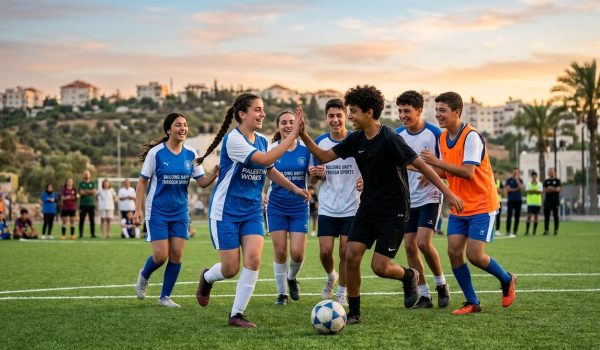
Youth is a powerful stage for building bridges. Sport is more than games and goals; it is a universal language that reduces barriers, builds trust, and teaches teamwork in ways classrooms alone cannot. At PalestineWorks.org, we see how youth programs that center sport can transform communities marked by displacement, stress, and limited resources into spaces where young people learn to collaborate, lead, and imagine a shared future. This article explores how to design and sustain youth programs that use sport to strengthen unity among Palestinian youth, refugee youth, and allied communities.
Why sports unite youth
Sports create common ground. They offer a structured, inclusive setting where differences fade in the face of shared goals. The power of sport to unify comes from several core dynamics:
- Shared purpose: Teams rally around a common objective, whether it is winning a match, completing a training milestone, or simply learning a new skill.
- Trust building: Regular practice and fair play foster trust among teammates who may come from diverse backgrounds.
- Leadership development: Youth coaches and elder mentors cultivate leadership habits that ripple into schools and neighborhoods.
- Social integration: Inclusive programs welcome girls, boys, and nonbinary youth, enabling friendships beyond ethnicity, language, or community lines.
- Resilience through challenge: Sports teach adapting to disappointment, recovering from injuries, and maintaining motivation in tough times.
In displacement settings, sports can also provide a constructive daily rhythm, reduce stress, and offer a safe space where young people feel seen and valued. When programs emphasize unity rather than competition alone, they create communities that stand up for each other and for wider justice efforts.
Designing youth sports programs for unity
Creating programs that truly foster unity requires thoughtful structure and clear values. The following design principles help ensure every activity advances inclusion, growth, and belonging.
Goals and outcomes
- Define shared outcomes for youth, families, and communities.
- Align sport activities with broader education and empowerment objectives such as leadership, conflict resolution, and civic participation.
- Build in reflection moments after sessions to connect athletic learning with life skills.
Inclusive access and participation
- Remove barriers to entry by offering equipment loans, transport stipends, and fee waivers when possible.
- Develop adaptive programming that accommodates diverse abilities and mobility challenges.
- Prepare multilingual materials and coaches who can communicate across languages to support understanding.
Safe and welcoming environments
- Enforce codes of conduct that prioritize respect, nonviolence, and inclusivity.
- Implement safeguarding policies and recruit trained mentors to oversee activities.
- Create gender inclusive spaces where girls and gender diverse youth have the same opportunities to participate and lead.
Cultural sensitivity and community partnerships
- Engage families and community leaders in planning to ensure schedules, venues, and activities respect local norms.
- Partner with schools, youth centers, and refugee organizations to maximize reach and trust.
- Celebrate cultural expression within sport, such as traditional dances before a game or murals that reflect community stories.
Accessibility and transportation
- Schedule practices at accessible times and locations that minimize travel strain for families.
- Provide safe routes and supervised travel options for younger participants.
- Use flexible formats, such as short modules or weekend events, to meet busy family schedules.
Sustainability and local ownership
- Train local youth as assistant coaches to build leadership pipelines.
- Create volunteer mobilization plans that sustain programs beyond initial grant cycles.
- Build partnerships with local businesses and NGOs to diversify funding streams.
Practical program models that foster unity
Below are models you can adapt to fit Palestinian contexts, refugee camps, and mixed communities. Each model centers on sport as a vehicle for connection, not just competition.
Unified sport for refugee and local youth
- Concept: Mixed teams that include local and refugee youth competing in inclusive formats.
- Benefits: Builds cross community friendships, challenges stereotypes, and showcases shared talents.
- Key features:
- Mixed rosters with mentorship roles for older youth.
- Rotating leadership to ensure all voices guide the program.
- Community events that combine sport with cultural exchange.
After school sports sampler
- Concept: A series of short, skill based modules (dribbling, passing, shooting, endurance) across multiple sports.
- Benefits: Broad access, low commitment barrier, opportunities to discover a sport that resonates personally.
- Key features:
- A rotating schedule that keeps interest high.
- Student led mini coaching sessions to develop leadership.
- Parent information nights to reinforce positive home support.
Mentorship through team leadership
- Concept: Peer mentorship embedded within the program where older youth supervise practices and guide younger participants.
- Benefits: Builds confidence, leadership, and accountability; creates a peer safety net.
- Key features:
- Mentor training covering communication, safety, and conflict resolution.
- Structured mentorship activities outside of game days.
- Recognition events that honor mentors and mentees.
Community tournament series
- Concept: Seasonal tournaments that culminate in a community festival featuring sport and cultural activities.
- Benefits: Strengthens community ties, creates ongoing engagement, and highlights local talent.
- Key features:
- Partner schools, clinics, and community centers as hosts.
- Family friendly activities and stalls for social connection.
- Social media and storytelling campaigns that highlight participants’ journeys.
Case studies and practical examples
While every community is unique, there are proven approaches that translate well across contexts. Consider these approaches when planning Palestine focused initiatives:
- Inclusive recruitment: Proactively invite youth from camps, villages, and host communities to join. Offer multiple entry points, such as weekly clinics, weekend events, and school partnerships.
- Safe spaces as a baseline: Establish clear safety guidelines, trained facilitators, and accessible reporting channels for concerns.
- Storytelling and visibility: Create spaces for youth to share their experiences through short videos, photo essays, or community exhibitions. This reinforces belonging and counters stereotypes.
- Mentorship pipelines: Pair younger participants with trained older youth who can model positive behavior, provide guidance, and nurture leadership skills.
- Data informed programming: Track participation, retention, and youth perceptions of belonging to adjust programming to evolving needs.
How PalestineWorks can help
PalestineWorks.org is positioned to support communities in building unity through sport through a holistic approach:
- Program design support: We can help craft age appropriate, culturally sensitive, and inclusive sport curriculums that align with youth empowerment goals.
- Research and evidence building: Our research teams can study the impact of sport programs on cohesion, mental health, and educational engagement in displacement contexts.
- Advocacy and policy engagement: We advocate for funding, safe spaces, and access to resources that enable sustained youth sports programs.
- Mentorship and leadership development: We can train local mentors and coaches who reflect the communities they serve, ensuring programs are locally owned.
- Capacity building for schools and NGOs: We provide workshops on inclusive coaching, safeguarding, and community engagement.
Measuring impact and ensuring sustainability
To ensure that sport programs deliver lasting unity, it is essential to measure progress and iterate. Consider these metrics and practices:
- Participation metrics: numbers of youth enrolled, retention rates, gender balance, and participation from diverse communities.
- Skill development: improvements in teamwork, communication, leadership, and resilience as reported by participants and coaches.
- Social cohesion indicators: perceived sense of belonging, trust among different groups, and reduction in conflict incidents in program areas.
- Accessibility and inclusion: usage of adaptive equipment, accommodations for disabilities, and feedback from participants about cultural sensitivity.
- Sustainability indicators: number of trained local coaches, ongoing funding streams, and community ownership of facilities and events.
Create feedback loops that include youth participants, families, teachers, and community leaders. Use surveys, focus groups, and informal check ins to continually refine programs.
Getting involved and finding partners
There are ample ways for individuals, schools, and organizations to contribute to youth unity through sport:
- For families and youth:
- Seek out local clubs offering inclusive or adaptive sports.
- Volunteer as mentors or event volunteers.
- Attend community games and celebrate youth achievements.
- For schools and community organizations:
- Partner to host joint practices or tournaments that mix youth from different backgrounds.
- Co design curricula that integrate sport with health, education, and civic participation.
- Apply for grants together to fund equipment, transportation, or training.
- For donors and policymakers:
- Support multi year funding for sustainable youth sport programs.
- Prioritize inclusive and safe sport infrastructure in displacement areas.
- Advocate for policy measures that protect youth athletes and ensure access to facilities.
Resources and tools to support unity through sport
- Coaching resources emphasizing inclusive sport practices and culturally responsive coaching.
- Safeguarding guidelines to protect youth participants and maintain safe practice environments.
- Adaptive sport toolkits to help coaches modify drills for varied abilities.
- Community engagement playbooks that outline stakeholder outreach, event planning, and feedback methodologies.
- Program evaluation templates to measure impact and guide growth.
Real world considerations for Palestine context
- Security and safety: Design sessions with contingency plans for weather or security concerns common in displacement contexts.
- Transportation planning: Explore shuttle options or on site programming to reduce travel burdens for families.
- Language and communication: Provide multilingual materials and ensure coaches can explain drills clearly to diverse participants.
- Cultural relevance: Incorporate local games or physical activities that resonate with youth while bridging across communities.
A sample year of activities
- Quarter 1: Community outreach and recruitment; begin with a 6 week after school soccer and basketball module with mixed teams.
- Quarter 2: Leadership development and mentor training; host a weekend festival celebrating youth achievements and cultural expressions.
- Quarter 3: Community tournament series starting with a small scale event and expanding to a multi venue series.
- Quarter 4: Reflection and planning; publish a youth impact report and lay groundwork for the next cycle.
Success stories from comparable programs
While every community is distinct, there are common success signals in programs that prioritize unity through sport:
- Increased attendance and sustained participation over multiple seasons.
- Strong cross community friendships that endure beyond events.
- Youth led initiatives that emerge from mentorship programs.
- Partnerships with schools and local organizations that expand reach and resources.
Final thoughts and call to action
Sports can be a unifying force that transforms youth into confident leaders who advocate for themselves and their communities. When designed with inclusion at the center, youth programs become more than a schedule of activities; they become spaces of belonging, growth, and shared purpose. PalestineWorks.org is committed to supporting these efforts through research, advocacy, and hands on collaboration with communities across Palestine and refugee settings.
If you are a youth, parent, teacher, coach, or community organizer interested in building unity through sport, we invite you to connect with PalestineWorks. Share your ideas, volunteer your time, or explore partnership opportunities. Together, we can create more resilient communities where sport opens doors to education, mentorship, and peaceful collaboration.
Appendix: Quick start checklist for launching a unity through sport program
- Define your core unity objectives and how sport will support them.
- Map stakeholders including families, schools, NGOs, and local authorities.
- Design inclusive pathways for participation with adaptive options.
- Recruit and train mentors who reflect community diversity.
- Establish safety guidelines, safeguarding, and reporting processes.
- Choose accessible venues and plan transportation options.
- Create a calendar that balances practice, rest, and family needs.
- Plan a community celebration to highlight achievements and stories.
- Build a simple monitoring plan to track participation and impact.
- Seek long term funding and local ownership to sustain momentum.
By centering youth, sport, and dignity, we can build unity that endures beyond seasons and tournaments. PalestineWorks.org stands ready to partner with communities on this important journey.